

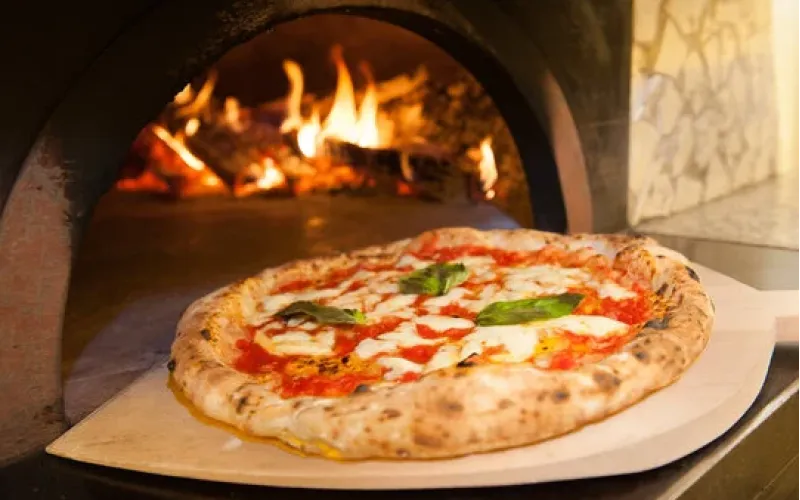
Baking Secrets: Pizza Dough
In the art of Neapolitan pizza, the dough is the canvas on which flavour and tradition are painted.
Behind the simplicity of flour, water, yeast and salt lies a world of secrets that turns these humble ingredients into a true masterpiece of taste.
In this blog post, we’ll travel through the secrets of baking, revealing the practical tips you need to make the perfect Neapolitan pizza dough: soft, easy to digest, and with a high, fragrant crust.
1. Choosing the ingredients
Ingredient quality is the essential starting point. Choose medium-strength Italian wheat flours with good gluten content, which give the dough elasticity and structure. Fresh water and either sourdough starter or fresh baker’s yeast will ensure a slow, even rise, developing complex aromas. Finally, iodised sea salt balances flavour and helps build taste.
2. Making the dough
In a large bowl, mix the flour with the salt. Add the water gradually, kneading by hand until you get a rough mixture. Add the crumbled yeast and work the dough for about 10 minutes, until it becomes smooth and elastic.
3. Proofing
Transfer the dough to a lightly oiled bowl, cover with a damp cloth, and let it rise in a warm, sheltered place for about 4–6 hours, or until it has doubled in size. During proofing, perform folds about once an hour to strengthen the dough structure and support gluten development.
4. Shaping
Once risen, divide the dough into dough balls of your preferred weight. On a floured surface, stretch each ball gently, pressing with your fingertips from the centre outwards, to form a disc with a high, thicker cornicione (the rim).
5. Baking
Use a wood-fired oven heated to about 450°C (842°F). Bake the pizza base for 2–3 minutes, until the rim starts to brown. Remove it, add your favourite toppings, then bake for another 1–2 minutes, until the mozzarella is melty and the toppings are lightly browned.
Extra secrets
Temperature: Water and room temperature play a key role in proofing. A space that’s too warm or too cold can slow down or speed up fermentation, affecting the final result.
Hydration: Neapolitan pizza dough is well hydrated, with about 60–70% water compared to flour weight. This gives softness, elasticity and digestibility.
Proofing: Proofing is a slow, delicate process that requires time and patience. Don’t rush it—longer fermentation develops deeper aromas and improves digestibility.
Baking: Wood firing gives Neapolitan pizza its signature flavour and aroma. If you don’t have a wood-fired oven, you can use an electric oven with a pizza stone, preheated to the highest temperature.
Conclusion
Neapolitan pizza baking is an art that takes passion, dedication and know-how.
With the right ingredients, techniques and a few insider tips, you can make an authentic, delicious Neapolitan pizza at home—one that will win over friends and family.
Electric mixer vs. hand-kneading: the ultimate dough showdown
In the ongoing debate between tradition and innovation, making true Neapolitan pizza dough often comes down to two very different methods: an electric stand mixer or kneading by hand.
Both have pros and cons, and they can influence texture, flavour and digestibility.
Electric stand mixer: power and convenience
The stand mixer is a powerful, practical ally for Neapolitan pizza dough. Its ability to handle large quantities quickly makes it ideal for pizzerias and for anyone who bakes pizza often.
Pros
-
Saves time and effort: it does the hard work and produces a smooth, well-developed dough in minutes.
-
More consistency: steady speed helps create a uniform dough with fewer lumps.
-
Less physical strain: great if you have joint issues or simply want an easier process.
Cons
-
Heat build-up: mixing can warm the dough, which may negatively affect fermentation.
-
Gluten development differences: mechanical mixing may not always develop gluten as effectively as skilled hand work, impacting structure and digestibility.
-
Cost: a quality mixer requires a significant upfront investment.
Hand-kneading: tradition and passion
Hand-kneading is the classic tradition behind Neapolitan pizza. It takes time and technique, but it offers the satisfaction of a truly artisan process.
Pros
-
More control: you can feel the dough and adjust as you go.
-
Excellent gluten development: hand work supports gluten formation, improving structure, elasticity and digestibility.
-
Less heat: it avoids excessive dough warming, helping fermentation stay stable.
Cons
-
Time and effort: it’s demanding, especially for large batches.
-
More room for inconsistency: results depend heavily on experience and technique.
-
Physical strain: it can be tiring if you’re not used to it.
Ultimately, the choice depends on your needs and preferences.
If time is tight and convenience matters, a stand mixer is a great option. If you want a truly hands-on experience and full control, hand-kneading remains the ideal choice for traditionalists.
Either way, the key to a perfect Neapolitan pizza is always the same: quality ingredients, proper fermentation and high-heat baking.
And remember: pizza is made to be shared. Make it with love and creativity—and enjoy it together.