

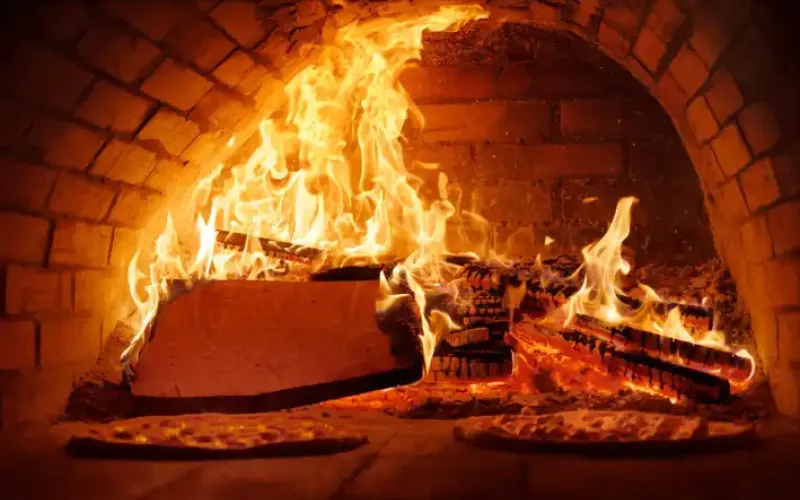
Benefits of a Lava Stone Pizza Oven
Posted in A Tarantella Recipes.
A lava stone pizza oven is both tradition and culinary innovation.
Baking pizza on lava stone creates the perfect balance between tradition and innovation in Neapolitan pizza-making. Used since ancient times, this type of oven is famous for its unique properties, giving pizza exceptional crispness and an unmistakable flavour.
In this article, we’ll explore the features, benefits and a few practical tips to get the best out of a lava stone pizza oven—an oven widely used in our Neapolitan Pizzeria ’A Tarantella in Milan.
Features of a lava stone oven
Lava stone is a volcanic rock valued for its excellent thermal performance.
Here are the key characteristics that make lava stone ideal for pizza baking:
-
Heat retention: lava stone absorbs and holds heat for a long time, allowing for even baking.
-
High-temperature resistance: it withstands extremely high temperatures without deteriorating—essential for pizza, which needs intense heat.
-
Even heat distribution: its structure helps spread heat consistently, preventing uneven “hot spots”.
-
Durability and strength: it is highly robust and long-lasting, making the oven reliable over time.
Benefits of baking pizza on lava stone
Using a lava stone oven offers many advantages, especially when making pizza:
-
Fast baking: thanks to the high heat reached and maintained by lava stone, pizza cooks quickly, staying crisp outside and soft inside.
-
Authentic flavour: lava stone gives pizza a unique, authentic taste, comparable to traditional wood-fired ovens.
-
Versatility: not just pizza—bread, focaccia and other baked goods also benefit from lava stone performance.
-
Energy efficiency: once heated, lava stone holds temperature for a long time, reducing the energy needed to keep the oven hot.
How to use a lava stone oven
To get the best results, here are a few important steps and tips:
-
Preheating: always heat the oven to the target temperature first. This can take up to one hour, depending on the oven and stone thickness.
-
A light dusting of flour: sprinkling the stone surface with semolina or cornmeal helps prevent sticking and can add extra crispness.
-
Temperature control: using an oven thermometer helps ensure the stone is at the ideal baking temperature.
-
Rotate the pizza: turn the pizza halfway through baking to get an even result on all sides.
-
Stone care: after each use, clean the stone properly, avoiding harsh detergents. A brush and a little water are usually enough to remove residue.
Secrets for a perfect pizza
-
Dough: dough quality is everything. Use high-quality flour and allow enough fermentation time (at least 24 hours for natural fermentation) for best flavour and digestibility.
-
Fresh ingredients: use fresh, high-quality ingredients, especially for the tomato sauce and mozzarella.
-
Heat distribution: placing the stone in the middle of the oven helps ensure even heat.
-
Stone thickness: thicker stones retain heat better but take longer to preheat. Around 2 cm is often a great balance.
-
Steam management: leaving a small gap for steam to escape helps the crust crisp up without burning.
Innovations in lava stone ovens
In recent years, lava stone oven design and technology have improved significantly:
-
Gas and electric ovens: while wood-fired ovens remain popular, gas and electric ovens with lava stone offer easier use and more precise temperature control.
-
Modular stones: some ovens use removable lava stone modules, making maintenance and cleaning simpler.
-
Portable ovens: portable lava stone ovens allow you to enjoy stone-baked pizza outdoors or in small spaces.
-
Fast-heating technology: newer systems can heat lava stone more quickly, cutting down waiting time before baking.
Why is lava stone better than other ovens for pizza?
A lava stone pizza oven is often considered superior because of the stone’s unique properties:
Even heat distribution
Lava stone absorbs and spreads heat evenly, helping the entire pizza cook consistently. In many standard ovens, uneven heat can lead to burnt edges and an undercooked centre—lava stone helps avoid that.
Very high baking temperatures
Lava stone ovens can typically reach 400–500°C (752–932°F), which is ideal for pizza. Most home ovens rarely go beyond 250°C (482°F). High heat creates a crust that is crisp on the outside and soft inside, while toppings cook perfectly in a short time.
Excellent heat retention
Once hot, lava stone stays hot, keeping a stable temperature even when the oven is opened—supporting consistent results from pizza to pizza.
Authentic flavour and texture
Because lava stone is porous, it helps absorb moisture from the dough during baking, producing a dry, crisp base while keeping the inside soft and airy. It can also contribute a subtle, authentic aroma similar to wood-fired pizza.
Versatility
Lava stone is also excellent for baking bread, focaccia, calzoni, and even roasting meats and vegetables.
Shorter baking times
High heat plus fast heat transfer means pizza bakes in minutes, helping preserve the flavour and texture of fresh ingredients.
Energy efficiency
After preheating, lava stone’s thermal retention can reduce the energy needed to maintain the baking temperature compared to many conventional ovens.
Conclusion: lava stone ovens for pizza
Pizza baked on lava stone is considered superior thanks to even heat, high temperatures, strong heat retention, authentic flavour and texture, versatility, short baking times, and energy efficiency.
These qualities make lava stone an excellent choice for anyone who wants to make pizza at a very high level—getting as close as possible to the tradition and taste of true Italian pizza.
Timing table for baking pizza on lava stone
Here’s a practical timing guide that covers the main steps:
Phase — Action — Estimated time — Notes
-
Preheating — Bring the oven to temperature — 45–60 min — Heat to 400–500°C; timing depends on oven and stone thickness.
-
Pizza prep — Stretch dough, add sauce and toppings — 10–15 min — Can be done while preheating; use fresh ingredients.
-
Launching — Place pizza onto preheated stone — 1–2 min — Use a pizza peel; dust with semolina/cornmeal to prevent sticking.
-
Initial bake — Bake at high heat — 2–3 min — The crust rises and the rim begins to brown.
-
Rotation — Turn pizza 180° — 10–15 sec — Helps even browning in uneven heat zones.
-
Final bake — Continue until evenly browned — 1–2 min — Watch closely to avoid burning.
-
Removal — Take pizza out with peel — 10–15 sec — The pizza should be golden and crisp outside, properly cooked inside.
-
Rest & serve — Let rest briefly before slicing — 1–2 min — Helps flavours settle and makes slicing easier.
Extra notes:
-
Oven temperature: ideal range is 400–500°C. Higher heat reduces baking time but requires careful attention.
-
Stone thickness: around 2 cm is a common sweet spot.
-
Dough type: higher-hydration dough may need slightly longer to crisp fully.
Key properties of lava stone for pizza ovens
Lava stone is highly valued in pizza baking thanks to its thermal and physical characteristics:
-
High heat absorption and retention: heats up efficiently and stays hot for longer.
-
Even heat distribution: reduces uneven baking and hot/cold spots.
-
High-temperature resistance: can tolerate extreme heat without damage.
-
Durability: resists wear, cracking and deformation over time.
-
Moisture absorption: its porosity helps draw out moisture, creating a crisp crust.
-
Easy maintenance: brush after use; avoid harsh detergents.
-
Versatility: works in wood-fired, gas or electric ovens; great for many baked foods.
-
Flavour preservation: does not react with food, keeping flavours clean and authentic.
Final notes
Lava stone is an excellent choice for pizza ovens because it absorbs and retains heat, spreads it evenly, withstands high temperatures, and helps create the perfect crust.
Combined with its durability and easy maintenance, lava stone is one of the best materials for baking high-quality pizza with consistent results and authentic flavour.