

I Want My Pizza Well-Done!
Pizza is an iconic dish of Neapolitan and Italian cuisine, loved and appreciated all over the world. But not all pizzas are the same, and any true connoisseur knows that pizza has to be baked in a certain way to reach perfection. Baking is a crucial element—and to achieve an authentic, delicious pizza, it must be cooked strictly in a wood-fired oven.
This article explores the details of perfect pizza baking, focusing on traditional methods and the tools used in the best pizzerias.
Pizzeria ’A Tarantella Milano: Excellence in Pizza Baking
When it comes to authentic pizza, Pizzeria ’A Tarantella in Milan is synonymous with excellence. This renowned pizzeria is famous for bringing the art of Neapolitan pizza baking to extraordinary levels, thanks to the secrets and techniques of its master Neapolitan pizzaioli.
The quality of the bake is at the heart of their craft, and ’A Tarantella stands among the best pizzerias in the world in this respect.
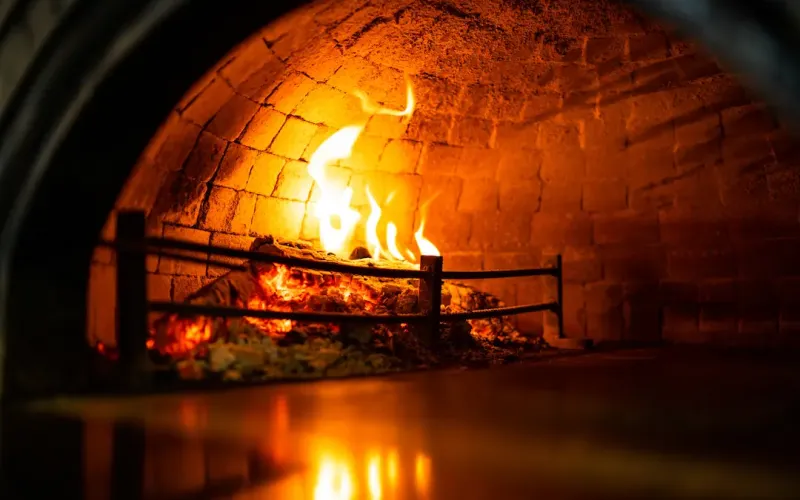
The success of Pizzeria ’A Tarantella comes from its two wood-fired ovens, capable of baking up to six pizzas at the same time—always active and ready to deliver a perfect bake in a maximum of three minutes. These ovens are built with a lava-stone base and a handcrafted refractory-brick dome, keeping a constant temperature of 420°C, essential for achieving a pizza with a puffy, crisp crust.
Among the techniques used by the master pizzaioli is the use of carefully selected, well-seasoned beech wood, which creates a steady and even flame. During peak service hours, the oven temperature is increased using “pampuglia”—thin curls of leftover wood that revive the flames, ensuring every pizza is baked to perfection.
Masters of baking, the pizzaioli at Pizzeria ’A Tarantella know their relationship with the oven is fundamental. As they often joke: “The pizzaiolo and the oven are like an old married couple—if there isn’t enough heat, it’s better to stay out of the kitchen!”
This spirit of dedication and passion for perfection turns every pizza into a true culinary work of art.
Wood-Fired Oven Structure
An ideal wood-fired oven for baking pizza is built with specific materials and follows a traditional design. The oven base is made of lava stone, known for its ability to retain and distribute heat evenly. The dome is built with handcrafted refractory bricks, which ensure even cooking and help maintain a stable temperature.
The chimney, made of copper, guarantees proper smoke ventilation—essential to prevent the aroma of the pizza from being altered.
Beech Wood: The Perfect Fuel
To fire the oven, choosing the right fuel is crucial. Beech wood is preferred for its ability to burn evenly and produce a constant flame. Logs must be carefully selected and well dried to ensure optimal combustion.
Beech wood not only provides the necessary heat, but it also contributes to the unique flavor of pizza baked in a wood-fired oven.
The Ideal Temperature
Authentic Neapolitan pizza must be baked in a wood-fired oven brought up to full operating temperature—around 420°C. This level of heat is essential to obtain a pizza with a crust that is puffy and soft, yet crisp at the same time, and a center that is fully cooked but not dry.
The Ovens at Pizzeria ’A Tarantella
Pizzeria ’A Tarantella is known for its dedication to tradition and quality. It has two wood-fired ovens always in use, each with capacity for six pizzas per batch. This makes it possible to handle large crowds without compromising baking quality.
Each pizza takes a maximum of three minutes to bake perfectly.
Managing the Wood-Fired Oven
Managing a wood-fired oven requires experience and constant attention. The flame must always be alive and kept that way. During busy periods, it’s necessary to raise the temperature to ensure every pizza bakes properly.
To do this, Pizzeria ’A Tarantella uses “pampuglia”, thin curls of leftover wood from carpentry work. These are added to the oven to revive the flames and increase the temperature when needed.
The more pizzas the oven is holding, the more the temperature tends to drop—so pampuglia is essential to maintain the ideal heat.
Weather Conditions: A Risk Not to Underestimate
External weather conditions can significantly affect baking results. Water, in particular, is the number-one enemy of wood-fired cooking. If the oven gets wet inside, results can change dramatically.
Humidity can prevent the oven from reaching and maintaining the necessary temperature, compromising the final quality of the pizza.
Temperature Adjustments
Temperature adjustments are crucial, especially depending on the season. In winter, the oven requires more time and more wood to reach the ideal temperature. In summer, outside heat can help the oven get up to temperature—but you must be careful not to overheat it.
The expert pizzaioli at Pizzeria ’A Tarantella constantly monitor the oven and make the necessary adjustments to guarantee perfect baking in every season.
The Pizza Baking Process
Making a pizza begins with well-risen dough and fresh, high-quality ingredients. After stretching the dough, it is topped with tomato sauce, mozzarella, and the chosen ingredients.
Loading the Pizza Into the Oven
Once the oven reaches the ideal temperature of 420°C, the pizza is placed inside. The lava-stone base and the refractory-brick dome ensure even heat distribution.
The pizza bakes quickly—about three minutes—developing a crisp outer texture and a soft interior, which are unmistakable characteristics of authentic Neapolitan pizza.
Flame Control
During baking, the flame must be constantly monitored. A strong, steady flame is essential to keep the oven at the right temperature.
Pizzaioli use pampuglia to revive the flame and make sure the oven stays hot enough, especially during peak service hours.
Pizza baking is an art that requires skill, experience, and a deep understanding of the materials and tools involved. A wood-fired oven—fueled by selected beech wood and maintained at the ideal temperature—is essential for achieving a perfect pizza.
Pizzeria ’A Tarantella is an example of excellence in this craft, thanks to its two wood-fired ovens and the smart use of pampuglia to keep the flame alive.
Every pizza that comes out of their ovens is a testament to tradition and passion for one of the world’s most beloved dishes. Next time you enjoy a pizza, remember: behind every bite there’s a world of knowledge and technique that makes this dish so special.
Wood-fired pizza isn’t just food—it’s a true culinary experience.